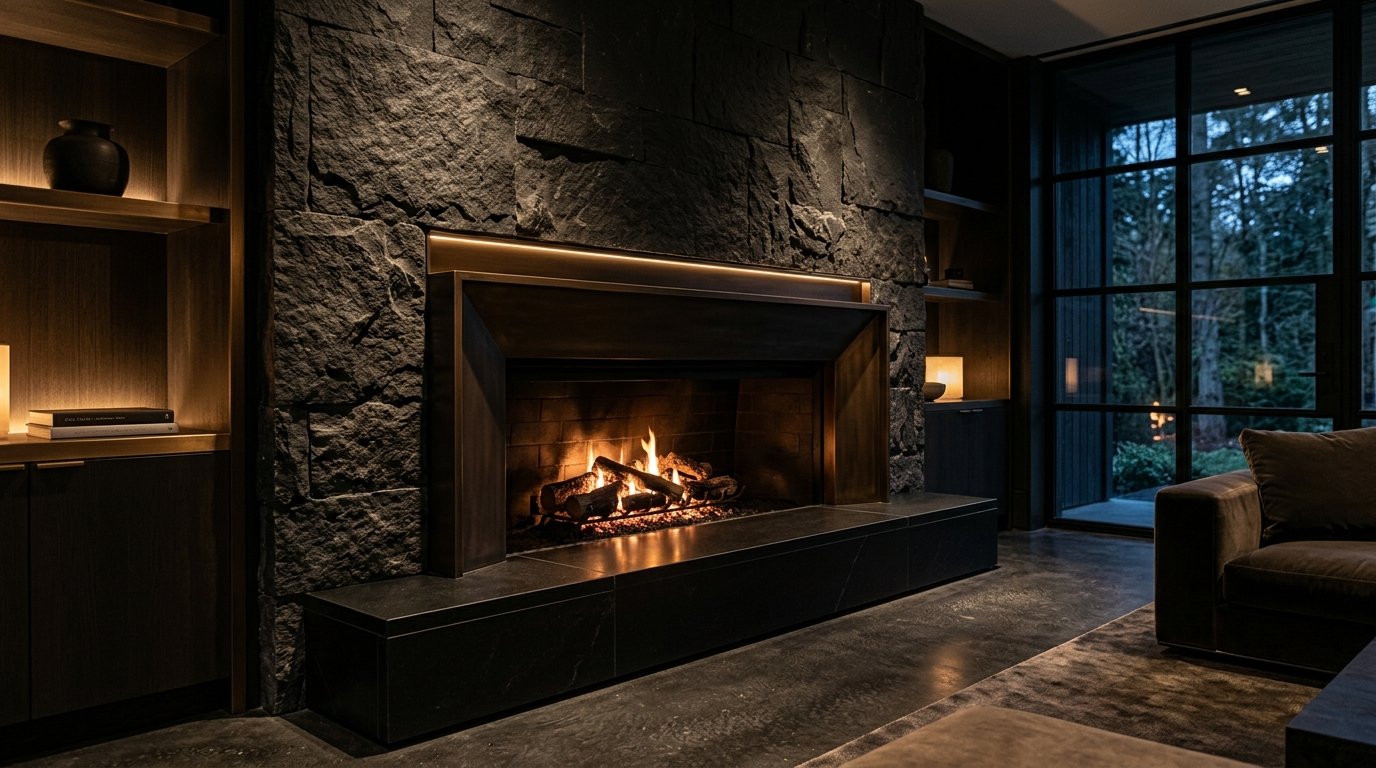
Definitive diagnosis and repair for firebox fractures, smoke backflow, damaged throat dampers, crumbling flue tiles, and masonry structural settlement.
A damaged chimney isn't just an eyesore—it is a direct fire and carbon monoxide threat. Cracked firebrick allows 1,500°F combustion gases to contact structural wood wall framing, while eroded flue joints release deadly invisible gases into bedrooms.
At Absolute Chimney Pros, our repair approach focuses on structural longevity. We never apply cosmetic caulking over compromised bricks; we remove defective materials and rebuild using high-heat refractory hydraulic cement and code-compliant clearances.
Engineered restoration solutions designed to withstand Mid-Atlantic climate conditions.
Applying smooth refractory mortar over corbeled brick to eliminate turbulence and improve draft efficiency.
Replacing cracked firebrick and crumbling joint mortar before high temperatures breach internal clearances.
Removing rusted, warped cast-iron throat dampers and replacing them with silicone-gasket top-sealing energy dampers.
Installing step-and-counter lead and copper flashings where the chimney meets the roofline to prevent ceiling leaks.
Addressing foundation leaning, shifted wythes, and missing brick course ties with stainless steel mechanical anchors.
Chiseling out flaking, spalled bricks and relaying custom-tinted clay bricks with matching historical mortar.
How our repair crews deliver lasting structural stability.
Pinpointing exact failure coordinates, mortar depth loss, and clearance breaches.
Protecting home interiors with canvas drops and establishing stable roof scaffolding.
Rebuilding, parging, and tuckpointing using refractory-grade ASTM materials.
Validating draft performance, smoke-free operation, and water-impermeable joint integrity.
No. Even hairline cracks in firebox mortar or refractory brick can allow embers, sparks, and intense heat to reach framing lumber inside the wall cavity. You should discontinue use until a CSIA-certified technician inspects and repoints the joints with refractory mortar.
That white powdery film is efflorescence—mineral salt left behind when water penetrates the brick and evaporates. It is an immediate warning sign that your chimney is absorbing moisture and requires crown repair, flashing inspection, or breathable waterproofing protection.
Smoke backflow is typically caused by a closed or rusted damper, severe creosote blockage, negative house air pressure, an unparged jagged smoke chamber, or an improper flue-to-firebox opening ratio. Our technicians perform draft diagnostic testing to isolate the exact cause.
From smoke chamber parging to structural masonry repairs, our CSIA certified technicians deliver reliable solutions.